Cloning your own voice used to require expensive studio equipment and hours of recording. Now, an AI voice cloning tutorial using Kits.ai can get you a realistic, reusable voice model in under ten minutes with nothing more than a decent microphone or even your phone. This guide walks through the exact four-step process, beginner-friendly and free to start.
Kits.ai stands out among voice cloning tools because it supports both instant cloning from a short sample and a more detailed guided cloning mode for higher accuracy. Creators use cloned voices for narrating videos, generating singing covers, dubbing content into different languages, and prototyping voiceovers without booking studio time every single time they need a new line recorded.
[rank_math_toc]
What You Need Before Cloning Your Voice
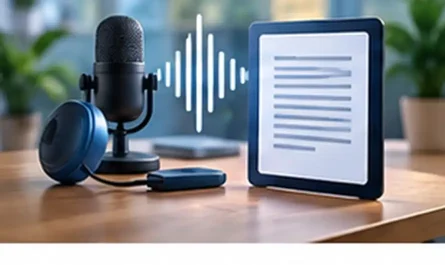
Grab a quiet room, a decent microphone or even good wired earphones with a mic, and roughly 30 seconds to two minutes of clean speech for instant cloning. For guided cloning, which produces noticeably more accurate results, Kits.ai recommends around 15 minutes of varied, expressive speech samples covering different tones and emotions.
Step 1: Create Your Free Kits.ai Account
Head to kits.ai and sign up with your email or Google account. The free tier includes enough credits to test voice cloning and generation before deciding whether to upgrade. Once registered, open the dashboard and locate “Voice Cloning” under the main tools menu on the left sidebar.
Step 2: Choose Instant or Guided Cloning
Select “Instant Voice Cloning” for the fastest result using a short sample, or “Guided Voice Cloning” if you want a more polished, professional-grade voice model. Guided mode walks you through recording specific prompted phrases inside the app itself, which noticeably improves accuracy for tone, pitch range, and natural pacing.

Step 3: Upload or Record Your Voice Sample
Upload a clean audio file, or record directly through your browser microphone. Speak naturally, avoid background noise, and try to include varied sentence lengths and emotional tone if you’re using guided mode. Kits.ai processes the sample and trains your personal voice model, typically finishing within a few minutes depending on sample length.
Step 4: Generate and Download Your Cloned Voice
Once training completes, type or paste any text into the generation box, select your new cloned voice from the dropdown, and click “Generate.” Preview the output, adjust pitch or style sliders if needed, and download the finished audio file in your preferred format, ready to drop straight into a video or podcast.
Tips for a More Realistic Clone
Record in a genuinely quiet space, since background hiss gets cloned along with your voice. Speak at your natural pace rather than performing dramatically. If your first clone sounds slightly robotic, try guided mode with a longer, more varied sample instead of relying only on the quick instant option.
Is Voice Cloning Ethical and Legal to Use?
Only clone your own voice or a voice you have explicit permission to use. Kits.ai requires consent confirmation before training, and using someone else’s voice without permission can violate platform terms and, in many regions, personal rights laws. Always credit AI-generated voiceovers transparently in commercial or public content.
Creative Ways to Use Your Cloned Voice
Beyond simple narration, creators use cloned voices to dub content into multiple languages while keeping their own vocal identity, generate consistent character voices for ongoing video series, or quickly prototype voiceover scripts before booking professional studio time for final production. Podcasters also use cloned voices to fix minor recording mistakes without needing a full re-record session.
Musicians increasingly use Kits.ai’s singing conversion feature to test how a melody sounds in their own voice before committing to a full studio recording, saving significant time during the songwriting and demo stage of production when quick iteration matters more than final polish.
Frequently Asked Questions
Is Kits.ai free to use for voice cloning?
Yes, Kits.ai offers a free tier with limited credits, enough to test both instant and guided cloning before deciding whether a paid plan suits your needs.
How accurate is instant cloning compared to guided cloning?
Instant cloning is fast but slightly less precise. Guided cloning, using a longer varied sample, produces noticeably more natural pitch and emotional range.
Can I use my cloned voice for singing?
Yes, Kits.ai supports singing voice conversion as well as speech, letting you apply your cloned voice model to melodies and existing vocal tracks.
Does Kits.ai store my voice data permanently?
Kits.ai lets users manage and delete their trained voice models from account settings; check their current privacy policy for full data retention details.
Final Thoughts
Following this AI voice cloning tutorial with Kits.ai, you can have a usable, realistic voice model ready in one sitting. Start with instant cloning, then upgrade to guided mode once you’re comfortable. For more AI creation tools, see our guides on best free AI video generators and image-to-video AI generators.